Optimizing Visual Narratives to Enhance Local SEO Performance
Visual content has evolved from a simple aesthetic requirement into a critical component of local search engine optimization. Modern search engines are increasingly adept at interpreting the context,…
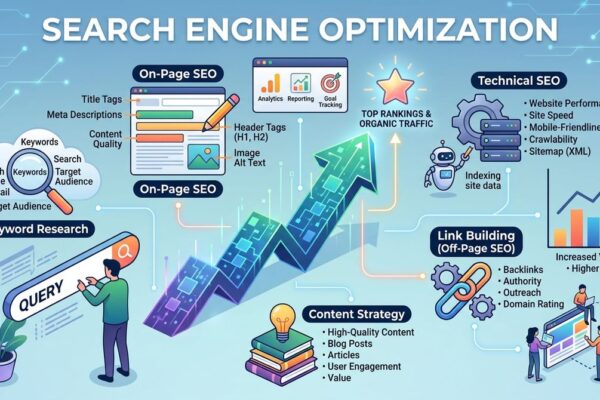
Visual content has evolved from a simple aesthetic requirement into a critical component of local search engine optimization. Modern search engines are increasingly adept at interpreting the context, relevance, and quality of images, making visual elements essential for businesses aiming to improve their visibility in local search results. When a potential customer searches for local services, the images associated with a business often determine whether the user engages with the brand. Creating a compelling visual narrative involves more than just uploading high-quality photos; it requires a strategic approach to organization, context, and user experience.
The Contextual Value of Images in Local Search
Search engines prioritize content that provides clear, relevant answers to user queries. In a local context, images provide tangible proof of a business’s capabilities, reliability, and quality of service. When an image is properly contextualized, it signals to search engines that the business is active, local, and relevant to the specific needs of potential customers. This contextual value is enhanced when images are paired with descriptive, location-based information that helps search engines connect the visual content to the physical location and service offerings.
Beyond simple relevance, images serve to establish expectations for the user. A well-curated gallery of finished work or behind-the-scenes glimpses offers a transparent view of what a customer can expect, which is paramount in building initial interest. By focusing on visual authenticity, businesses can differentiate themselves from competitors who rely solely on generic imagery or stock photography that fails to resonate with a local audience.
Organizing Visual Assets for Search Engines
Effective visual SEO requires a structured approach to asset management. Search engines crawl and index sites based on a hierarchy that relies on clear organization and meaningful file structures. Providing a clear roadmap for search bots through proper labeling and categorized galleries ensures that the visual content is correctly attributed to the services offered. This organization must be logical and consistent, allowing both users and search crawlers to navigate the content without confusion.
Steps for Effective Visual Organization
- Develop a consistent folder structure that categorizes images by service type or project category.
- Use descriptive naming conventions for image files that include relevant service keywords and location identifiers, avoiding generic filenames.
- Implement a clear hierarchy within the website navigation that allows users to easily find specific types of visual content.
- Ensure that each gallery or visual section is accompanied by descriptive text that adds context for search engines.
- Consistently audit the visual content to remove outdated or irrelevant assets that no longer reflect current service offerings.
Curating Portfolios for Local Engagement
Portfolios provide the most direct evidence of a business’s work, and their presentation directly influences user engagement. A portfolio should be more than a collection of images; it should tell a story about the craftsmanship and attention to detail involved in every project. By showcasing specific projects with context, you allow potential clients to visualize the outcome of choosing your services. For instance, observing the way successful platforms like Groliehome organize their collections by specific themes and rooms demonstrates how a curated visual experience can guide a user through a narrative, making the information more accessible and engaging.
To maximize engagement, focus on presenting a variety of images that cover different aspects of a project. Before-and-after shots, detailed close-ups of work, and broader perspectives all contribute to a comprehensive understanding of the service. This diversity in imagery caters to different user interests, ensuring that no matter what aspect of the project a user is focused on, they find relevant visual support.
Balancing Visual Experience and Performance
While high-quality imagery is crucial for engagement, it must not compromise the performance of the website. A slow-loading page is a significant barrier to user retention, regardless of the quality of the visual content. The challenge lies in balancing visual richness with optimized load times, ensuring that users can access the content instantly on any device. When users have a smooth, efficient experience, they are more likely to explore further and trust the platform. Consider how the structure of betterhomeguide.com balances informative content with a streamlined user experience, providing a valuable model for how to integrate functional design with helpful information without sacrificing speed.
Optimizing for performance involves several technical considerations. Reducing image file sizes through appropriate compression techniques, using modern image formats, and implementing lazy loading are standard practices that significantly enhance performance. Furthermore, optimizing the delivery of these images through a content delivery system ensures that users experience fast loading times regardless of their physical location, which is a key consideration for local businesses targeting regional customers.
Building Trust Through Consistent Visuals
Trust is the foundation of any local business relationship. Consistent visual branding and authentic representations of work contribute significantly to establishing this trust from the moment a user arrives on the site. Authenticity is conveyed through the quality and specificity of the imagery; it shows that the business has invested effort into showcasing its real work rather than relying on generic representations. Authenticity, coupled with clear communication and transparency, forms part of the Strategies for Building Trust in Local Home Service Niches that successful businesses implement to foster long-term customer relationships.
Consistent branding across all visual elements also creates a professional and reliable image. Using a cohesive color palette, style, and presentation approach across different galleries reinforces the identity of the business. When users encounter a site that feels cohesive and reliable, they are more comfortable moving forward in the decision-making process. This consistency serves as a subtle yet powerful signal that the business is organized, detail-oriented, and dependable.
Maintaining a strong visual presence requires ongoing attention and refinement. As the business grows and projects evolve, the visual content must be updated to reflect the current expertise and service offerings. Regularly reviewing the website’s visual presentation ensures that it continues to accurately portray the business and resonate with the target audience. By continually optimizing the way visual narratives are presented and structured, businesses can significantly strengthen their local SEO efforts and improve their connection with potential customers.