Creating Seamless Aesthetic Journeys for Design Content
The success of a digital marketing strategy within the home and design sector hinges on the ability to connect with users through a narrative that aligns with their…

The success of a digital marketing strategy within the home and design sector hinges on the ability to connect with users through a narrative that aligns with their personal aspirations. For many readers, the act of researching home improvements is not merely a logistical step but an emotional journey. By understanding the underlying motivations of your audience, you can craft content that serves as both a helpful guide and a source of genuine inspiration. This approach requires balancing technical search optimization with a focus on delivering a high-quality experience that respects the user’s intent from the moment they arrive on your site.
When developing guides for home improvement websites, it helps to look at established patterns that effectively bridge the gap between utility and inspiration. For instance, Revamphomegoods.com illustrates how combining practical advice with thematic inspiration keeps a reader focused on the end goal of a finished, improved home. By structuring your content around the milestones of a renovation or design project, you help the user navigate their own decision-making process more confidently, ultimately increasing the value they derive from your brand.
Understanding the User’s Intent in Design
Before any content is created, it is necessary to identify why a user is searching. In the context of interior design and home improvement, users often arrive at a page at a specific stage of a project. They might be in the early inspiration phase, looking for high-level concepts, or they might be in the execution phase, searching for specific maintenance tips. Aligning your article topics with these specific stages allows you to provide the right information at the right time.
Effective content maps to these needs by addressing both the desire for aesthetic improvement and the functional requirements of home maintenance. When you can anticipate whether a visitor is looking for a quick fix or long-term design guidance, you can tailor your tone to match that urgency. A user looking to repair a faucet requires concise, step-by-step instructions, whereas a user exploring kitchen layouts benefits from a more evocative, narrative style.
Curating Visual Narratives for Better Engagement
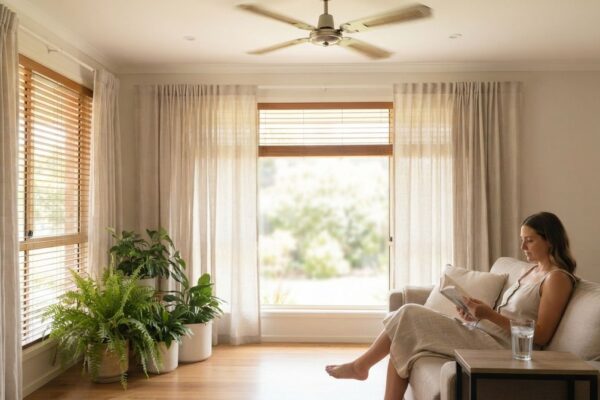
Visual content is the foundation of any design-focused strategy. However, the true power of imagery lies in its ability to support a narrative rather than just filling empty space. To maximize engagement, ensure that every image serves a purpose, whether it is demonstrating a complex installation technique or showcasing the potential of a specific color palette. When visuals work in harmony with the text, the reader feels more guided throughout their experience.
Similarly, the way brands showcase their portfolio matters deeply for establishing credibility. A platform like Design Shanghai demonstrates that focusing on lifestyle reflection rather than just product features creates a stronger emotional bond with the audience. By highlighting how a space feels and how it accommodates the daily life of its inhabitants, you move away from transactional marketing and toward building a relationship based on shared values and aesthetic alignment.
Building Authority Through Consistent Themes
Authority in the digital marketing landscape is built through consistency. For a brand operating in the home design niche, this means maintaining a steady voice that reinforces your expertise across all topics. Whether you are writing about sustainable material choices or efficient storage solutions, the core philosophy should remain clear. This consistency helps search engines understand the thematic focus of your site and assures readers that they have found a reliable source for their projects.
To maintain this authority, consider organizing your topics into logical clusters that cover the breadth of the homeowner’s needs. This helps in creating a comprehensive resource library that guides users from the initial brainstorming sessions all the way through to final touches. When you provide value at every turn, readers are more likely to return for future advice, recognizing your brand as a trusted partner in their home improvement endeavors.
Enhancing Accessibility and Search Visibility
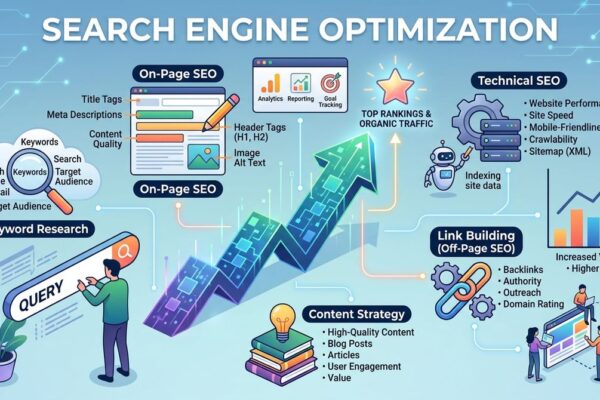
While the focus is often on the visual appeal of design content, the structural and technical aspects are just as critical for long-term success. Search engines rely on well-organized content to interpret the relevance of your articles. This means utilizing clear headings, logical paragraph flow, and descriptive text that complements the visual components of your site. Small, consistent efforts in these areas lead to a more robust search presence.
Just as we discussed when Writing Alt Text for Used Car Photo Galleries, clarity in imagery is vital for both user experience and search engine understanding. Proper descriptions for your images ensure that all visitors can interact with your content effectively. This practice not only serves the broader audience but also provides additional context that search engines can use to index your visual assets properly, contributing to better overall visibility.
Analyzing User Flow for Improved Experience
Once you have attracted a reader, the next goal is to keep them engaged with related content that helps them progress further. You can achieve this by analyzing the typical path a user takes after reading an informative article. If they have just finished a guide on choosing paint finishes, offer them a natural follow-up, such as tips for proper application or ideas on how to coordinate accents.
The goal is to eliminate friction. If a user has to search for the next logical step in their project, they are more likely to leave. Instead, make the connections between your topics explicit and intuitive. A well-designed internal linking structure creates a seamless experience, allowing the user to dive deeper into their specific interests without feeling overwhelmed. This approach keeps them on your site longer and reinforces the perception that you have a deep, comprehensive understanding of the subject matter.
Best Practices for Sustainable Content Growth
- Focus on timeless advice rather than temporary trends.
- Keep paragraphs concise to enhance readability on mobile devices.
- Ensure internal links lead to genuinely related, helpful articles.
- Maintain a consistent tone that reflects your brand’s unique identity.
Creating content that resonates requires patience and a commitment to quality. By focusing on the user’s journey, using visuals to support your narrative, and maintaining a consistent, authoritative voice, you build a foundation that supports long-term growth. This strategy is not about chasing the latest algorithm updates, but rather about providing real value that stands the test of time, ensuring your site remains a go-to resource for anyone seeking inspiration and practical knowledge for their home.