Elevating Brand Presence for Home Improvement Niche
Creating a strong online presence for home improvement brands requires a delicate balance between showcasing aesthetic possibilities and providing practical, actionable maintenance advice. Homeowners often struggle to reconcile…

Creating a strong online presence for home improvement brands requires a delicate balance between showcasing aesthetic possibilities and providing practical, actionable maintenance advice. Homeowners often struggle to reconcile their desire for beautiful living spaces with the ongoing demands of property care. Brands that successfully bridge this gap build deeper trust and long-term relationships with their audience by acting as reliable guides rather than just service providers.
To succeed, businesses must move beyond simple product promotion and toward establishing themselves as authorities in home upkeep. This shift requires a thoughtful approach to content creation that values the homeowner’s experience. When homeowners look for practical advice, resources like casaindecor.com provide a solid foundation for understanding the essential tasks needed to keep a living space functional and welcoming over the long term.
Understanding the Visual Expectations of Homeowners
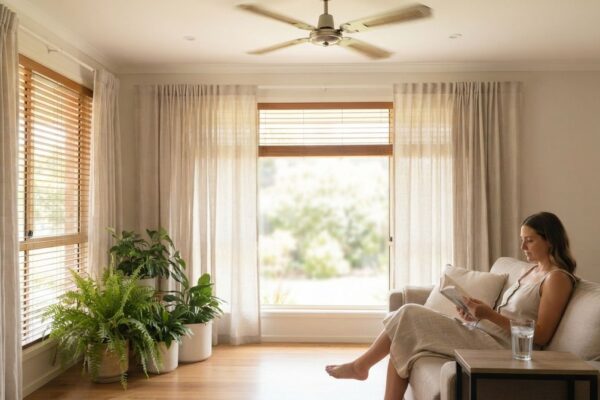
Visual content is the primary driver for engagement in the home decoration industry. Homeowners often browse websites looking for inspiration, hoping to find ideas that resonate with their personal style and the specific constraints of their property. When a brand showcases high-quality imagery that clearly demonstrates how a product or service improves a space, it helps the audience visualize their own potential projects.
To understand how to present aesthetic transformations effectively, examining the approach of deltadesignltd.co.uk offers valuable insight into visual storytelling that focuses on the end result. Successful brands do not simply post images of products in isolation; they create context by showing how items function within a completed, well-designed room. This approach helps the user understand the scale, color, and texture, reducing the uncertainty often felt when making renovation decisions.
Developing a consistent visual strategy means ensuring that every photograph or video serves a purpose. Avoid cluttering pages with irrelevant stock photos. Instead, focus on authentic, high-quality images that highlight the craftsmanship or the practical benefits of the service provided. Consistent lighting, angle, and framing across all visual assets contribute to a professional brand image that suggests reliability and attention to detail.
Creating Content That Speaks to Maintenance Needs
While inspiration draws users in, utility keeps them returning. A content strategy that focuses solely on the “before and after” is incomplete if it does not address the “how and why.” Homeowners frequently search for information regarding the maintenance of their improvements. By proactively answering common questions about materials, longevity, and care, a brand demonstrates that it cares about the customer’s long-term satisfaction.
Create content that serves as a library of knowledge for the homeowner. Instead of just selling a product, explain how to clean it, how to protect it from damage, and how to identify when it might need attention. This type of content positions the brand as a helpful partner rather than a transactional entity. It also provides opportunities for organic search visibility, as homeowners search for solutions to specific maintenance challenges.
Structure this information clearly to ensure it is accessible. Use descriptive headings, bullet points, and simple language to explain complex maintenance procedures. When content is easy to digest, homeowners are more likely to implement the advice, further establishing the brand as a trusted resource. This dedication to utility builds brand authority in a way that promotional content cannot.
Designing Layouts That Inspire Home Transformation
The layout of a website plays a significant role in how users perceive a brand’s expertise. For home improvement companies, a clean, organized, and visually appealing layout is essential. A cluttered or confusing design can make a brand appear unreliable or disorganized, regardless of the quality of its work. The design should reflect the professionalism and attention to detail that the company brings to the home itself.
Consider the user journey when designing page layouts. A user looking for inspiration should be able to easily navigate to a gallery, while a user looking for maintenance advice should have a clear path to informative articles or guides. Using whitespace effectively, clear typography, and logical navigation menus makes the experience smoother. The goal is to create an environment where the content is the focal point, allowing the homeowner to focus entirely on the transformation they envision.
Implement the following structural elements to enhance user experience:
- Prominent call-to-action buttons that guide users toward helpful resources or consultation services.
- Clear, hierarchical navigation that categorizes content by project type or maintenance task.
- Responsive design that ensures images and text remain clear and accessible on all screen sizes.
- Strategic placement of internal links that connect related articles, fostering deeper engagement.
Building Customer Continuity Through Email Engagement
A successful content strategy extends beyond the website itself. Keeping the audience engaged through regular, helpful communication is crucial for building long-term loyalty. Email is a powerful tool for maintaining this connection, but it must be used with care to ensure it remains a value-add rather than a distraction. Strategies for building long-term loyalty are essential, and Turning Service Reminder Emails Into Repeat Bookings for a Garage helps brands create sustainable relationships by providing timely, relevant information that the homeowner actually wants to receive.
When sending emails, focus on providing genuine utility. Instead of sending generic promotional emails, personalize the communication based on the customer’s past interactions or interests. For example, if a customer recently purchased a specific type of flooring, send an email with tips on how to keep that specific material in excellent condition. This approach transforms the email from a sales pitch into a helpful piece of content that reinforces the brand’s commitment to the customer.
Ensure the frequency of communication is balanced. Sending too many emails can lead to frustration and unsubscribes, while too few can cause the brand to be forgotten. Establishing a consistent, predictable schedule helps build trust. Monitor engagement metrics not to obsess over them, but to understand what topics and formats are most useful to the audience, and refine the strategy accordingly.
Maintaining Cohesive Brand Messaging Across Platforms
A final component of building brand authority is ensuring consistency across all channels. Whether a potential customer finds the brand via social media, an organic search result, or a direct email, the experience should be cohesive. The tone, the visual style, and the core message should remain constant. This consistency makes the brand feel more established and reliable.
Consistency does not mean repeating the same content everywhere. It means ensuring that all content, regardless of the platform, reflects the same core values and commitment to customer service. If the brand emphasizes practical, expert advice on its website, its social media presence should mirror this focus. This alignment reinforces the brand identity in the minds of the audience.
Take the time to periodically review all public-facing platforms to ensure they reflect the current brand message and standards. Identify any areas where the tone or visual presentation may have drifted and adjust them as needed. Maintaining this level of cohesion requires effort, but it is necessary for building a brand that stands out as a reliable and professional authority in the home improvement space.