Building Visual Authority for Niche Service Providers
Establishing digital authority in a niche service industry presents a unique challenge, as the success of these businesses often relies on bridging the gap between professional expertise and…

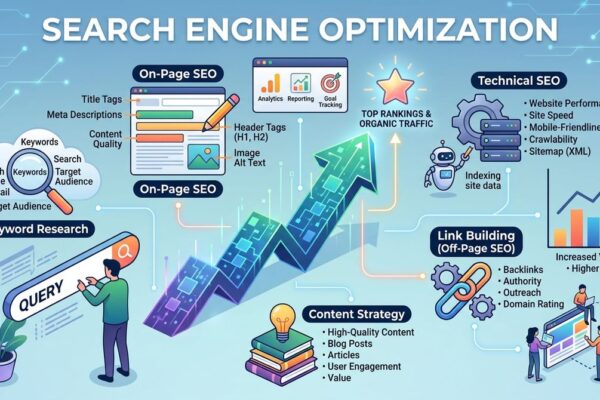
Establishing digital authority in a niche service industry presents a unique challenge, as the success of these businesses often relies on bridging the gap between professional expertise and client visualization. When a brand operates within a highly specialized field, simply stating services is rarely enough to build trust or guide a prospective client through a complex decision-making process. Marketers must look beyond standard search engine optimization tactics to create a narrative that combines educational value with tangible evidence of craftsmanship and quality.
Defining the Content Strategy for Specialized Services
The core of a successful strategy for a niche service provider lies in the ability to educate without overwhelming the user. Many clients researching specialized services are in the early stages of their journey and are searching for clarity rather than an immediate sales pitch. By focusing content on the common pain points and the technical nuances of the service, a brand can position itself as a helpful expert rather than a generic provider. This approach builds long-term authority and encourages users to return for guidance, which is crucial when the service involves a significant investment or a multi-stage project.
Consistency in voice and depth of information are essential components when shaping this educational foundation. Content should aim to answer the questions that potential clients might not even know they need to ask. For example, rather than just listing service offerings, a brand can provide detailed explanations about the materials used, the preparation required, or the long-term benefits of proper maintenance. This level of detail demonstrates a commitment to quality and transparency, which helps in fostering a strong connection with the audience before any direct engagement occurs.
Leveraging Visual Assets to Demonstrate Quality
In industries where the final output is physical or highly visible, such as construction, specialized maintenance, or custom design, the importance of visual content cannot be overstated. Text-based descriptions, while necessary for search visibility, struggle to convey the aesthetic and functional value of the services provided. Providing high-quality, authentic photography allows the prospective client to visualize the outcome, reducing uncertainty and increasing confidence in the service provider’s capabilities.
When marketers integrate these visual assets with clear, helpful explanations, they create a much more persuasive user experience. For businesses focused on home improvement, showcasing the finished product in real-world contexts is vital. Providing resources like those found on Angelos Epoxy Flooring helps potential clients understand the breadth of design possibilities and the durability of the service. This approach effectively uses the website as an extension of the brand’s portfolio, where every image serves a purpose in illustrating the potential value the client will receive.
To maximize the impact of these visual assets, marketers should focus on clarity and accessibility. Images should always be accompanied by descriptive, relevant text that explains not just what is shown, but why that specific solution was chosen. This context is what transforms a simple gallery into a comprehensive resource, allowing the user to gain a deeper understanding of how the service applies to their unique needs and challenges.
Establishing a Consistent Brand Experience
The user experience across a website must remain consistent, especially when the content spans different types of services or informational resources. A disjointed site structure can cause frustration and lead to a drop in engagement. A well-designed site should feel intuitive, guiding the user from one piece of content to the next without requiring excessive effort. This is particularly important for niche brands that want to demonstrate their professionalism and attention to detail.
Creating a sense of home and comfort is just as important in the digital space as it is in the physical world for service providers. Websites like Exxointerior.com illustrate how a brand can curate content that evokes a specific feeling and helps the reader envision a better lifestyle. By mirroring the care and attention that a service provider brings to their work, the website itself becomes a strong piece of branding that sets expectations for the service experience.
This brand consistency should extend to every page, ensuring that the tone, imagery, and information are unified. When a user feels that they are in a thoughtful, professional environment, they are far more likely to engage deeply with the content. This level of intentionality in the digital space builds credibility and reinforces the idea that the brand is dedicated to quality in all aspects of its operations.
Best Practices for Engaging Your Target Audience
Engaging a niche audience effectively requires a departure from generic marketing tactics. Instead of chasing broad search terms, focus on the specific language that potential clients use when describing their problems. This involves a deep understanding of the client’s perspective and the ability to address their concerns directly. By creating content that mirrors the user’s thought process, brands can establish a genuine rapport that is much stronger than that built by broad, impersonal campaigns.
A few essential practices for maintaining this engagement include:
- Developing content that solves specific user problems rather than just mentioning services.
- Ensuring that all technical explanations are accessible to a non-expert audience.
- Maintaining a clean and uncluttered page layout that prioritizes readability.
- Using clear headings to break up dense blocks of text, making the content easier to scan.
- Ensuring that all calls to action are natural and relevant to the information provided.
By implementing these practices, brands can ensure that their website remains a useful tool for their audience. The goal is to provide enough value that the user feels supported throughout their decision-making journey, making them more likely to choose the brand when they are ready to proceed with a project.
Analyzing Content Performance and Refining Strategy
Understanding how users interact with your content is the final piece of the puzzle. It is not enough to simply publish high-quality material; one must also verify that it is fulfilling its purpose and holding the audience’s attention. Without understanding user behavior, it is impossible to know which sections of your content are providing the most value and where potential clients might be losing interest. This is where deeper engagement metrics become critical for the ongoing refinement of a strategy.
Analyzing behavioral data allows marketers to adjust their approach based on actual user activity. If a particular guide or case study is not receiving the expected level of interaction, it may indicate a need for better structure or more compelling visual support. For those who want to improve their understanding of user interest, learning Measuring Scroll Depth on Long Sales Pages provides valuable insight into which parts of the content are actually being consumed. This information is invaluable for identifying the most effective formats and topics for the brand’s specific audience.
This iterative process of analysis and adjustment ensures that the content strategy remains aligned with the needs and interests of the target audience. By consistently reviewing how users engage with the site, marketers can continuously improve the quality and relevance of their work, ensuring that the brand maintains its position as a trusted authority within its niche.
Ultimately, the success of a digital marketing strategy for a niche service provider relies on the ability to combine technical authority with authentic visual storytelling. By focusing on creating genuinely useful content that addresses the unique needs of the audience and supports them through their journey, brands can build lasting authority and trust. This thoughtful approach to content not only serves the user but also creates a solid foundation for long-term growth and sustainable visibility in an increasingly crowded digital landscape.