Writing a Local Ad for a Dog Walking Service Without Overpromising
A dog walking service lives or dies on trust. Pet owners hand over a key, a leash and an animal they love, so the way you describe your…
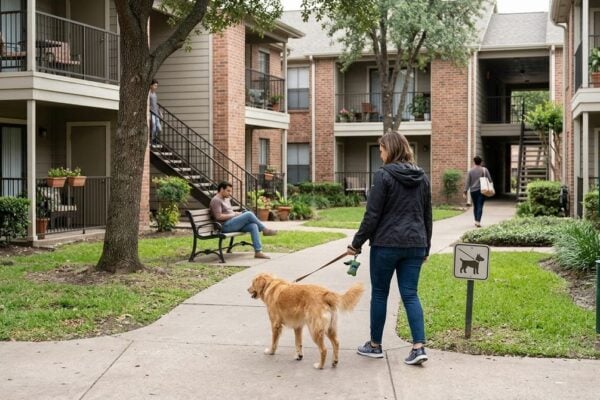
A dog walking service lives or dies on trust. Pet owners hand over a key, a leash and an animal they love, so the way you describe your work matters a great deal. A local ad that promises too much, such as instant availability or guaranteed results with difficult dogs, can create disappointment before the first walk even starts. A plainer, honest message often attracts better clients who stay longer. This article explains how to write a short local ad that is specific, warm and realistic, and how to avoid the wording that causes trouble later.
Start with the real service
Before writing anything, list exactly what you do. Describe the walk length, the area you cover, whether you collect the dog from home or meet at a park, and how you handle leash safety and waste bags. Many small businesses write vague ads because they are trying to appeal to everyone. A clear description tells the right customers what to expect and filters out those whose needs you cannot meet. If you only walk dogs on weekdays or do not take on animals that are reactive to other dogs, say so. Honest boundaries are a sign of professionalism rather than a weakness, and they protect your own safety as well as the animals in your care.
Choose words that describe rather than guarantee
Phrases such as “perfectly behaved dogs” or “always on time” set a standard that no service can promise in every case. Replace them with descriptions of your process, such as “you will receive a short update after each walk” or “we keep a written note of each dog’s routine.” These statements show care without making claims you cannot control. Avoid medical or behavioral promises as well. A walk supports a dog’s energy and routine, but it cannot solve health problems or training issues on its own. Where a client’s animal has a condition, suggest that the owner speak with a vet before you start, and say that you are happy to follow the vet’s written advice. Clear wording of this kind also protects you if a client’s expectations change later. Many owners appreciate a business that admits its limits, because it signals that the same honesty will apply when something goes wrong on the day.
Make the local details work for you
Local ads perform best when they mention places people recognize. Name the neighborhoods you serve and the parks or trails you use most often. Mention the type of visits you offer, such as house checks, feeding or simple drop-in visits. Many owners search for a service near their address, so clear local wording helps your ad appear for the right searches. Readers may also want to visit Similar Times. Keep the layout tidy and the sentences short, and add a line about insurance and experience only if both are current and true for your business.
Test your ad before you publish it
Read the ad aloud and ask a friend who owns a dog to read it too. Ask whether any sentence sounds like a promise you cannot keep. Check that package details are current, and that your phone number and booking link work on a phone. Keep a copy of each version you publish, so you can see which wording brings in better enquiries. Some owners also compare the ad with the terms they give to clients, because a mismatch often causes complaints. You can also visit casetify for more reading. Review customer messages every month and update anything that no longer matches the way you work. For a related read on this site, see Building a Seasonal Content Calendar Around School Breaks.
A checklist for an honest local ad
Use this list before you publish:
- Describe the exact services you offer and the areas you cover
- Explain what happens during and after each walk
- Remove guarantees about behavior, timing or results
- Name the local neighborhoods and parks you serve
- Mention insurance and experience only if they are current and true
Keep a short file of common questions from clients. Each question is a chance to improve the ad, the booking page and the first conversation. Over time, the ad becomes a clear summary of how you work rather than a list of hopes.
An honest ad is one of the most useful tools a small dog walking business can have. It sets expectations, reduces disputes and helps the right clients find you. Write the message in plain language, check it regularly and update it whenever your service changes. Clients who trust your description are far more likely to become loyal customers who recommend you to others.