Structuring Interior Design Content for Local SEO Success
Creating compelling content for the home improvement and interior design niche requires a deliberate balance between artistic inspiration and technical search engine optimization. Digital marketing professionals often struggle…
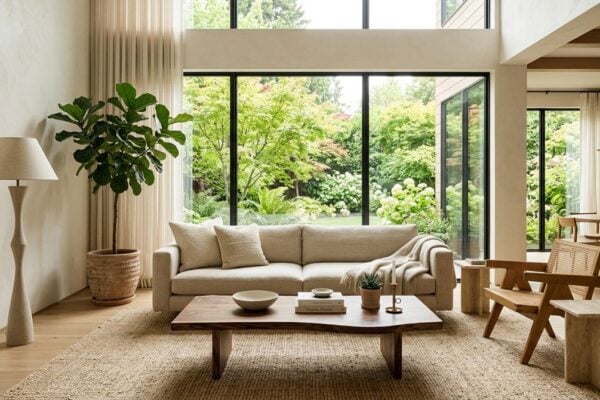
Creating compelling content for the home improvement and interior design niche requires a deliberate balance between artistic inspiration and technical search engine optimization. Digital marketing professionals often struggle to harmonize the visual requirements of design enthusiasts with the structural needs of search engines. By focusing on intent, organization, and user experience, you can create a digital presence that serves both the aesthetic desires of your visitors and the performance requirements of search algorithms.
Understanding the Intent Behind Interior Design Searches
Every visitor arriving at an interior design website arrives with a specific purpose. Some are in the early stages of discovery, seeking general inspiration for a living room renovation or a kitchen update. Others are further along in their journey, searching for specific product solutions or local professionals to execute their vision. Recognizing these distinct phases allows you to structure your content strategy more effectively.
When you create content, your primary focus should be on answering the underlying questions that drive these searches. An informative guide on selecting lighting fixtures or choosing durable materials for high-traffic areas provides lasting value. By addressing these common inquiries directly, you build trust with your audience, positioning your platform as a knowledgeable authority in the design space. This approach shifts the focus from merely attracting traffic to fostering meaningful engagement.
Effective content for this niche often involves detailed explanations of how design principles apply to everyday living. Rather than simply showcasing finished projects, take the time to explain the rationale behind specific choices. Discuss how color palettes influence mood, or why certain furniture layouts improve functionality in small spaces. This depth of information encourages users to spend more time exploring your site, which is a positive signal for search engines.
Creating Content That Resonates With Local Audiences
Local SEO is essential for businesses serving specific geographic regions. For interior designers, home stagers, or local home improvement companies, demonstrating relevance to a specific area is paramount. Your content should reflect the architectural styles, regional material preferences, and climate-specific considerations of the areas you serve.
Consider incorporating local expertise into your articles. Discussing how to design outdoor spaces that withstand the specific weather patterns of your region or suggesting locally sourced materials not only adds practical value but also signals to search engines that your content is locally focused. Using descriptive, location-based language throughout your posts helps search engines connect your expertise to the specific needs of potential local clients.
Consistency in your tone and messaging is also critical. Your readers should recognize a clear, professional voice that aligns with their own sensibilities. Whether your brand leans toward modern minimalism, traditional comfort, or rustic charm, ensuring that your articles consistently reflect this identity helps build a loyal audience that understands what to expect from your site.
Optimizing Visual Assets for Better User Experience
In the interior design niche, visuals are the backbone of your content. They provide the necessary context, inspiration, and demonstration of quality that readers crave. However, managing these assets requires a structured approach to ensure they do not hinder site performance. If you want to enhance the impact of your visuals, it is helpful to look at how professional platforms manage their aesthetic presentation, such as the approach taken by rawreplaymedia.com, where the integration of imagery serves to elevate the overall visitor experience.
When incorporating images, focus on clarity and relevance. Each image should serve a purpose, whether it is demonstrating a specific design technique, showing a before-and-after transformation, or highlighting the features of a product. Avoid cluttering pages with irrelevant stock photos that provide no additional value to the reader. Instead, prioritize original, high-quality images that tell a cohesive story.
Structure your image placement carefully. Use images to break up long blocks of text and provide visual cues that guide the reader through the article. This makes your content more accessible and encourages continued reading. Remember that for many users, particularly those on mobile devices, the visual experience is often the primary driver for engagement, so ensuring that your images are well-organized and easy to view is a fundamental part of a successful content strategy.
Building Authority Through Strategic Linking
Authority in the digital marketing landscape is built through a network of relevant, high-quality connections. When you create content, consider how you can use internal and external links to provide additional context and depth for your readers. A well-placed link can direct your audience to deeper resources that complement the information you are currently providing.
For example, when discussing the functional elements of home design, referencing specialized resources such as The Kitchen Store Online.com can provide your readers with more context regarding quality tools and product selection. Similarly, technical optimization is vital; focusing on Using Image Compression to Speed Up Product Galleries ensures that your audience can enjoy your visual content without the frustration of slow performance. These kinds of connections add tangible value, showing that you are dedicated to helping your readers access the information and resources they need.
When planning your linking strategy, prioritize utility. Each link should serve a clear purpose and offer a genuine enhancement to the reader’s understanding of the topic. Avoid excessive linking, as this can distract from your main message and create a poor user experience. Keep these factors in mind:
- Ensure links are highly relevant to the surrounding text.
- Use clear, descriptive anchor text that explains where the link leads.
- Place links naturally within the body of your content.
- Periodically review your links to ensure they remain functional and relevant.
Engaging Readers With Actionable Design Advice
The final component of successful interior design content is the transition from inspiration to action. While beautiful photography captures attention, actionable advice builds long-term loyalty. Your readers are likely looking for ways to improve their own spaces, and providing them with practical, implementable steps empowers them to do so.
Start by breaking down complex design projects into manageable tasks. If you are writing about a living room refresh, offer a step-by-step approach that covers everything from decluttering and space planning to selecting accents and lighting. Providing this level of detail shows that you understand the challenges your audience faces and are committed to helping them overcome those obstacles.
Encourage your readers to experiment and make their own choices. Design is a deeply personal endeavor, and the goal of your content should be to provide the tools and knowledge necessary for them to make informed decisions that reflect their unique tastes and needs. By focusing on this supportive, expert role, you create a lasting relationship with your audience, turning one-time visitors into repeat readers who trust your guidance.