
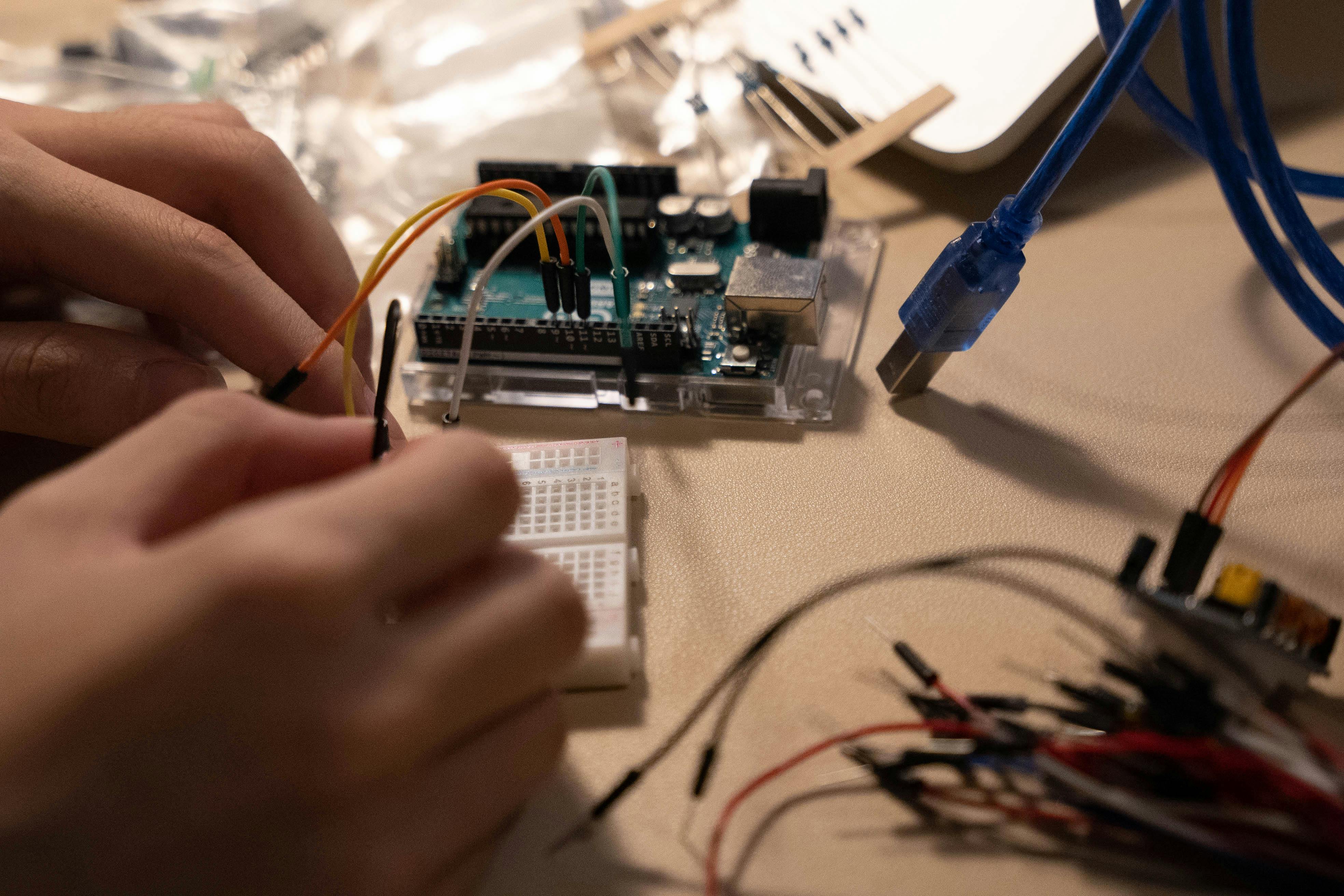
Hardware startups are bringing in outside design and engineering help earlier than they used to, often before they hire a single full time engineer. The logic is capital efficiency. Building an internal engineering team is one of the most expensive commitments a young hardware company can make, and it locks in cost before the product is proven. Renting design and engineering as a service lets a founder reach a manufacturable, pitchable product while keeping headcount and burn low, then hire internally only once the direction is validated.
The cost problem outsourcing solves
A full time mechanical and electrical engineering team carries salary, benefits, and equipment cost from day one, whether or not the current design is right. Early hardware direction changes often, which means an internal team can spend months on a version that gets scrapped. Outside firms convert that fixed cost into a variable one. A startup pays for the design and engineering it needs now, adjusts scope as the product evolves, and avoids carrying idle specialists between phases.
This matters most when money is tight, which for small firms is most of the time. The Small Business Administration reports that small businesses account for a large share of net new job creation in the United States, yet they operate on thin margins and limited runway. Spending scarce capital on a permanent engineering team before product market fit is the kind of early over commitment that ends young companies. Outsourcing the early work is a hedge against that mistake.
What “earlier” looks like in practice
The shift is about sequence. Startups increasingly engage an outside product development partner during concept and early design, not after a prototype already exists. That partner produces the CAD, renderings, and engineering analysis that turn a founder’s concept into something a factory can quote and an investor can see. Enhance Innovations, a product development company operating since 2010 out of Champlin, Minnesota, works this way with design, engineering, marketing, and licensing under one roof, which lets a small team hand off the technical build out and coordination rather than assembling it from separate freelancers.
The coordination cost people forget
Hiring individual freelancers for design, then engineering, then renderings looks cheaper on a spreadsheet, but it hides a coordination cost. Each handoff between separate contractors is a place where information gets lost, files do not match, and the founder becomes the project manager by default. An integrated team absorbs that coordination internally. For a founder whose scarcest resource is attention, removing three handoffs can matter more than the hourly rate on any one of them.
What it signals for independent inventors
The startup trend rhymes with what independent inventors face. Both are trying to reach a credible, manufacturable product without building a permanent team. Both benefit from paying for design and engineering as a service rather than as a payroll commitment. The difference is scale, not logic. An inventor licensing a single product and a startup building a company both win by keeping fixed cost low until the concept proves out.
University research spinouts show the same pattern from another angle. The Association of University Technology Managers describes startups formed around licensed research that rely heavily on outside partners for development they cannot yet staff internally. Buying capability instead of building it is a standard early move, not a compromise.
There is a quality argument too, not only a cost one. A founder who has never designed for manufacturing will make expensive mistakes that an experienced team has already seen and avoids. Wall thickness, part tolerances, and the difference between a shape that renders well and a shape a factory can actually mold are learned through repetition. Outsourcing the early engineering does not only save payroll. It imports judgment the founder does not yet have, which reduces the number of costly revisions before a design is ready to quote.
The risk of outsourcing too much
The trend has a limit. A hardware company cannot outsource its entire technical understanding forever, because at some point the product becomes the business and the team needs people who own it. The healthy version of the trend is outsourcing early to reach proof, then building internal capability once the direction is set. Outsourcing as a permanent substitute for technical judgment, rather than a bridge to it, leaves a company unable to evaluate its own suppliers. The founders who use outside teams well stay close enough to the work to learn from it.
Where the trend goes
Expect the earliest phase of hardware to keep shifting toward outside partners as design and engineering services get easier to engage remotely. The internal hire does not disappear. It moves later, to the point where a validated product justifies a permanent team. For inventors and founders reading the signal, the lesson is the same: match the commitment to the evidence. Spend on outside expertise to reach proof, and reserve the expensive permanent build out for after the product has earned it.

