
Ever thought a simple chart shape might signal a market change? The hammer candlestick is more than just a small mark on your screen; it shows that buyers could be stepping in after a big drop. This pattern has a tiny center block with a long line below it. It often appears when the market seems ready to bounce back. Today, we'll talk about why the hammer is a hopeful sign and how it could help boost your trading gains.
Hammer Candlestick: Bullish Signal Inspires Gains
The hammer candlestick is a special chart shape that shows a possible shift in market direction. It has a small body at the top and a long lower shadow that is at least twice as long. This pattern usually appears at the end of a downtrend when sellers push prices down hard, but buyers come back and raise prices before the day ends. It looks like a little hammer, which tells traders that the selling pressure might be fading while buyers are starting to gain ground.
This pattern is important because it hints that a change might be coming. When you see a hammer on a chart, it means that even after a strong drop, there is a chance for prices to go up again. Traders take this as a sign that the market might be turning from a bearish mood (when prices are falling) to a bullish one (when prices are rising). For example, if the hammer appears near a support level and is followed by a candle that closes higher than before, many traders believe a reversal is on the way. It is a simple shape, but its message can make a big difference in a market that seems to be losing strength.
Key Identification Criteria for Hammer Candlestick
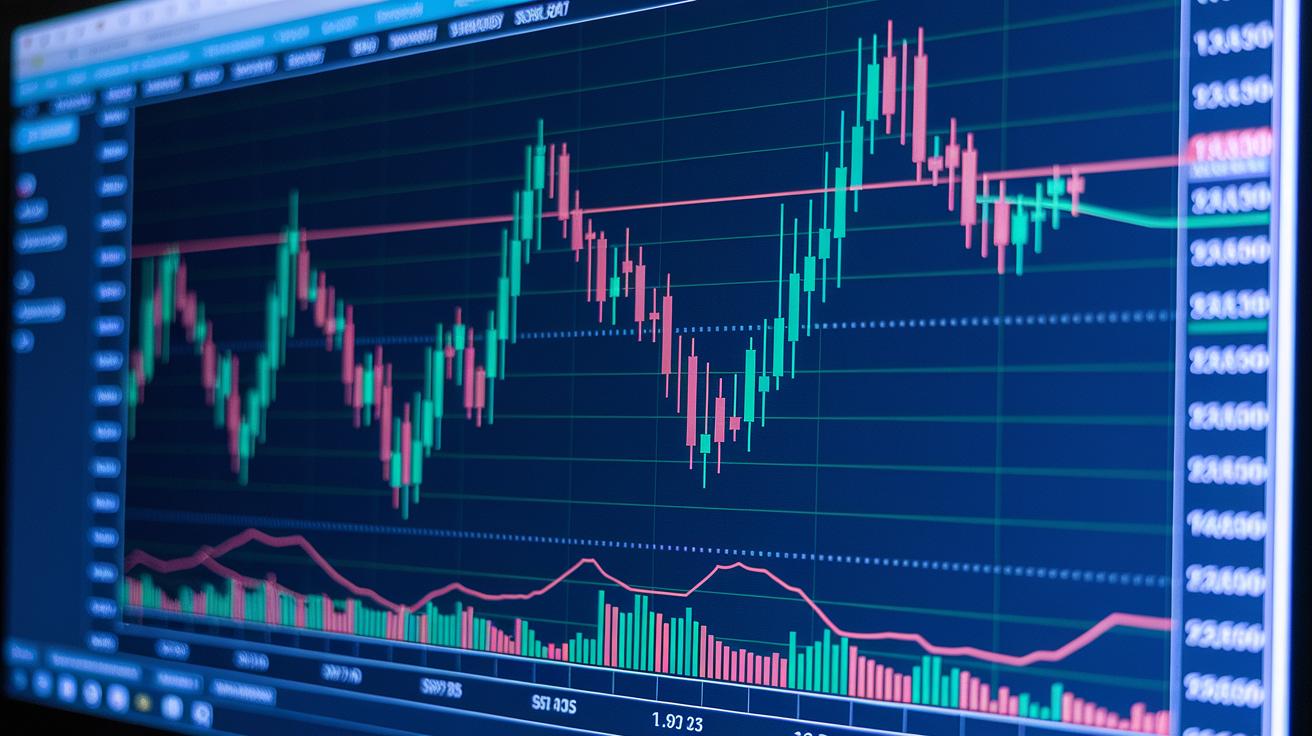
Strict rules like these boost the signal’s accuracy by weeding out fake setups that might lead to bad trades. When you see a properly formed hammer, it can signal that the market is ready to change gears from a downtrend to a recovery. This clear checklist lets you pinpoint the pattern fast, making it easier to catch promising opportunities on busy trading days.
- The lower shadow must be at least twice the size of the candle body.
- There should be little or no upper shadow.
- The pattern usually shows up after a steady drop in price.
- It gains extra credibility when followed by a clear upward move, as seen on examples like the daily chart for Cisco Systems.
Using these filters helps you zero in on valid hammers. You scan for a long lower shadow paired with a small candle body and hardly any upper wick. Notice that this setup appears right after a downtrend, which gives you more confidence. Then, if the next candle closes above the high of the hammer, it can be a sign that buyers are stepping in. This straightforward method cuts down on false signals and makes it simpler to act on real reversal opportunities.
Variations of the Hammer Candlestick and Similar Patterns
Hammer candlestick patterns offer traders clues about market feelings. Each shape gives subtle hints about potential reversals, which can help you adjust your trading moves. When you compare these variants, you might see patterns that could guide you to smarter decisions.
Bullish Hammer
The bullish hammer shows a small candle near the top with a long lower shadow. In simple terms, sellers managed to push the price down, but later buyers stepped in and lifted it up. This change hints that the market might start turning upward. When you spot a bullish hammer at the end of a downtrend, it often gives traders hope that a price rally could be just around the corner. It’s a key signal that buyers might be gaining control.
Inverted Hammer
The inverted hammer has a small body at the bottom and a long upper shadow. This pattern happens when the price climbs high before pulling back. Basically, it shows that buyers made a strong effort but couldn’t keep up the upward push. For traders, an inverted hammer appearing after a downtrend can signal that market sentiment might be softening. Many watch this pattern on daily charts, like those of Natural Gas Futures, to see if a bullish reversal is coming.
Hanging Man vs Shooting Star
While the bullish and inverted hammers hint at reversals after a downtrend, the hanging man and shooting star tell a different story at the top of trends. The hanging man appears during an uptrend and signals that a drop could be ahead, imagine how it showed up on a 5-minute IBM chart. On the other hand, the shooting star, which looks much like a bearish version of the inverted hammer with a small body and a long upper shadow, warns that a downturn might be on the horizon, as seen on a 5-minute Starbucks chart.
Confirming Hammer Candlestick Signals with Indicators

When you see a hammer candlestick, it’s like a friendly hint from the market saying things might be about to change. But you don’t want to act on a whisper alone. Double-checking with other hints, like a spike in trading volume or a shift in the RSI (Relative Strength Index, which measures speed and change of price movements), helps you avoid false alarms when the market feels unsure.
By mixing signal checks from price action with extra confirmation from indicators, you can tell a true reversal from just background noise. When the numbers and the candlestick story match up, it’s a strong sign that buyers are on the scene and ready to push the trend upward. It’s a bit like hearing both a clear alarm and seeing the flashing lights, it boosts your confidence in moving forward with your trade.
Below are some simple steps to help you confirm a hammer signal:
| Step | What to Look For |
|---|---|
| Volume Spike Validation | Check that the hammer appears along with unusually high trading volume. This extra weight supports the idea of a reversal. |
| RSI Divergence Analysis | Look for a difference between the RSI and the price. This divergence may signal that the downtrend is losing its strength. |
| Moving Average Crossover | Watch if a moving average line crosses over nearby. This crossover can point to a fresh upward trend taking shape. |
| Price Action Confirmation | See if the next candle closes above the hammer’s high. This move indicates that buyers are gaining control. |
| Technical vs Fundamental Analysis | Compare insights from indicators with pure price action. This combined view helps sharpen your trading decisions. |
Following these steps can make it easier to sift out false moves and boost your overall trading strategy. When several signals point in the same direction, you get a clearer picture of market sentiment, making your decisions that much more reliable.
Hammer Candlestick Trading Strategy Examples
Hammer patterns can drive several smart trading strategies that help you take advantage of market turning points. These simple candle shapes can alert you when stocks or forex might reverse their trend. When you combine them with clear support levels and other confirming signals, you have a reliable hint to act on.
For example, if you notice a hammer forming at a strong support level, it might be a sign that buyers are stepping in. In that case, you could consider a pullback entry by buying after the pattern appears. Alternatively, you can watch for the next pivot level, a point where the market might change direction, and enter a trade above it once a hammer signals a reversal.
You might also wait until the hammer appears alongside a sudden jump in trading volume. More volume means the signal is even stronger. Another neat trick is to pair the hammer with a sign of fading bearish momentum from the Relative Strength Index (RSI), a tool that shows market momentum in simple terms.
Another approach is to check if the candle closes above a short-term moving average after the hammer appears. This extra step tells you that buyers have more backing, which can support an upward move. You can also set up your trade near key Fibonacci retracement levels, areas where prices often bounce, when you see a hammer pattern, as these levels tend to align with reversals.
Lastly, it helps to backtest these reversal setups by looking at daily charts. When you see filters like volume spikes, clear pivot support, and moving average confirmation line up together, the hammer pattern becomes more reliable. Keeping disciplined and using these entry methods can filter out false signals and may lead to better trading performance. Try these strategies across different markets, whether stocks or forex, to build more confidence in spotting real trends.
Risks and Limitations of Relying on Hammer Candlestick

When you see a hammer candlestick during a flat or range-bound market, it can sometimes trick you into thinking a trend reversal is coming. This happens because false signals pop up when the pattern forms without a clear downtrend. Low trading volume, meaning not many people are buying or selling, can sap the strength of the signal. Even though the color of the candle is neutral, many traders feel a green hammer gives a stronger hint than a red one. Without the right market context or extra confirmation, a hammer can make you believe a reversal is near when it might not be, which can lead to sudden trend changes and losses.
To ease these risks, smart risk management is a must. You might set your stop-loss just below the candle's lowest point to limit potential losses. Adjusting your position size can also help so that one false signal doesn't cause too much harm to your account. It’s a good idea to check additional indicators like RSI (Relative Strength Index, a tool that measures the speed of price changes) or moving averages (which show the average price over a set period) before entering a trade. Mixing these signals together gives you a more solid picture and helps filter out any misleading cues.
Even when the hammer looks inviting, using these extra checks can keep you safe from unexpected market moves and help you stay balanced in volatile conditions. This well-rounded approach protects your investments and builds both discipline and confidence. It’s like having a safety net that reminds you to act with careful thought instead of raw emotion when the market shifts unexpectedly.
Final Words
In the action of market analysis, we explored the hammer candlestick pattern from its definition to clear criteria, variations, confirming signals, and practical strategy examples. Each section highlighted how this tool can signal bullish shifts and boost decision-making.
Real tactics paired with smart risk steps help build confidence in market moves. With the hammer candlestick as a guide, you’re set to tackle market trends with renewed optimism and a clear sense of direction.
FAQ
FAQ
What does hammer candlestick meaning signify?
The hammer candlestick signifies a potential bullish reversal. It forms with a small body near the top and a long lower shadow, showing that buyers pushed the price back after a drop.
What is an inverted hammer candlestick?
The inverted hammer candlestick features a long upper shadow and a small body near the bottom. It appears during a downtrend and indicates that buyers may be starting to take control.
Is a hammer candle bearish or bullish?
A hammer candle indicates a bullish reversal. It suggests that despite initial selling pressure, buyer strength is growing, pointing to a potential shift from bearish to bullish sentiment.
What is the difference between a hammer and a hanging man?
The hammer and hanging man share a similar shape. The hammer occurs in a downtrend signaling a bullish reversal, while the hanging man appears at tops, hinting at possible bearish weakness.
What is the difference between a red hammer and a green hammer?
The red hammer and green hammer share the same structure. The color shows the closing price, with a green hammer often seen as a slightly stronger signal of a reversal compared to a red one.
How accurate is a hammer candlestick?
A hammer candlestick can be quite accurate when confirmed with additional indicators. High volume or supportive technical signals add strength to its reversal signal, reducing the risk of false alerts.

